Joint pain can gradually affect walking, climbing stairs, exercising, and even simple daily activities. When severe arthritis or joint damage no longer responds well to medicines, physiotherapy, or other conservative treatments, joint replacement may be considered. A Robotic Joint Replacement Surgeon in Gurgaon can use advanced robotic-assisted technology to support surgical planning and precision. At GS Care Multispeciality Clinic, robotic joint replacement is part of the orthopaedic services offered to suitable patients. The clinic is located in Sector 51, Gurugram, and its team includes Dr. Guruditta Khurana, listed as a senior orthopaedics, robotic joint replacement, and sports injury surgeon.
For more information, direct chat with us on WhatsApp.
What Is Robotic Joint Replacement Surgery?
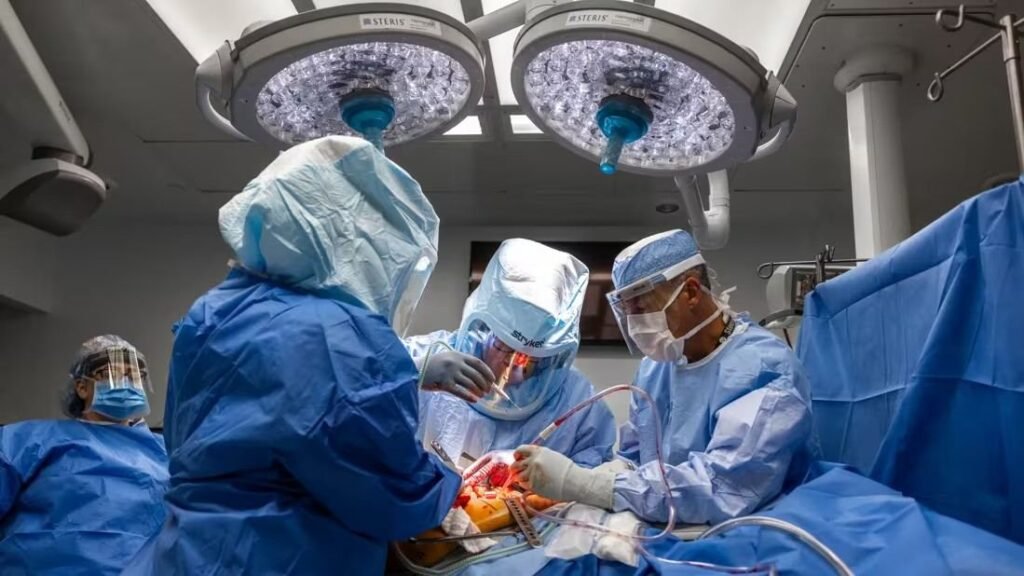
Robotic joint replacement is an advanced approach used during procedures such as knee replacement. It combines the surgeon’s clinical expertise with computer-assisted technology.
Importantly, the robot does not independently perform the operation. The surgeon remains in control of the procedure. Robotic technology can assist with pre-operative planning, assessment of the joint, and controlled execution of the surgical plan.
The goal is to help the surgeon achieve accurate implant positioning and alignment according to the patient’s individual anatomy.
Benefits of Robotic Joint Replacement Surgery
1. More Personalized Surgical Planning
Every patient’s joint structure is different. Age, bone shape, joint damage, alignment, activity level, and overall health can all influence treatment.
Robotic-assisted technology can help create a more detailed surgical plan based on the patient’s anatomy. This allows the surgeon to consider individual joint characteristics rather than relying only on a standard approach.
A Robotic Joint Replacement Surgeon in Gurgaon can use this information alongside clinical examination and imaging to determine an appropriate surgical strategy.
2. Greater Precision During Surgery
Precision is an important part of joint replacement surgery. The position and alignment of the implant can influence how the replaced joint functions.
Robotic assistance can provide the surgeon with technology-supported measurements and guidance during the procedure. This may help with accurate bone preparation and implant positioning.
However, robotic technology is an assistive tool. The surgeon’s experience, judgement, and decision-making remain essential throughout the operation.
3. Treatment Based on Individual Anatomy
Traditional joint replacement techniques use established surgical principles, but every knee or hip has unique anatomical characteristics.
Robotic-assisted systems can help surgeons work with patient-specific information. This can be particularly useful when planning the position and alignment of the replacement components.
At GS Care Multispeciality Clinic, joint replacement treatment is provided as part of its broader orthopaedic care, which also includes knee replacement, hip replacement, arthroscopy, ACL reconstruction, and meniscus repair.
4. Potential Support for Efficient Recovery
Recovery after joint replacement depends on several factors. These include the patient’s overall health, surgical technique, pain management, rehabilitation, muscle strength, and commitment to physiotherapy.
Accurate surgical planning may support a smoother recovery pathway for appropriate patients. However, recovery times vary from person to person.
Patients should follow their surgeon’s instructions regarding walking, exercises, wound care, medication, and follow-up appointments.
GS Care also provides physiotherapy and rehabilitation services, which can support patients during recovery following orthopaedic procedures.
5. Modern Technology Combined With Surgical Expertise
Technology is most useful when combined with appropriate medical expertise.
A Robotic Joint Replacement Surgeon in Gurgaon does not simply depend on robotic equipment. The surgeon must evaluate symptoms, physical findings, imaging results, medical history, and the patient’s treatment goals.
At GS Care, Dr. Guruditta Khurana is listed by the clinic as a senior orthopaedics, robotic joint replacement, and sports injury surgeon. His qualifications listed on the clinic website include MBBS, D.ORTHO (Medalist), FIJR (Robotic), FIKA (Sports Med, Mumbai), and M.AAOS (USA).
When May Robotic Joint Replacement Be Considered?
Not every patient with joint pain needs replacement surgery.
Joint replacement may be considered when advanced joint damage causes persistent pain, stiffness, reduced mobility, or difficulty performing everyday activities. Doctors may first recommend non-surgical treatments such as medication, physiotherapy, lifestyle changes, or other appropriate options.
If these measures do not provide adequate relief and the joint damage is significant, surgery may become an option.
A consultation with a Robotic Joint Replacement Surgeon in Gurgaon can help determine whether joint replacement is appropriate for your condition.
Why Choose GS Care Multispeciality Clinic for Robotic Joint Replacement?
GS Care Multispeciality Clinic provides orthopaedic, eye care, physiotherapy, rehabilitation, and other healthcare services under one roof. Its orthopaedic department lists robotic joint replacement, knee replacement, hip replacement, arthroscopy, fracture treatment, ACL reconstruction, PCL reconstruction, and meniscus repair.
The clinic also highlights personalized care and modern technology as part of its approach to treatment.
For patients undergoing joint replacement, having access to physiotherapy and rehabilitation services can also be useful. Rehabilitation plays an important role in restoring movement, strength, balance, and confidence after surgery.
GS Care is located at Unit No. G-51, Ground Floor, Ocus Quantum, Sector 51, Gurugram, Haryana.
What Should You Discuss With Your Surgeon?
Before deciding on robotic joint replacement, patients should have a detailed discussion with their orthopaedic surgeon.
Important topics may include:
- The underlying cause of joint pain
- Severity of joint damage
- Whether non-surgical treatment is still appropriate
- Type of joint replacement required
- Whether robotic assistance is suitable
- Expected recovery process
- Physiotherapy and rehabilitation
- Possible risks and complications
- Follow-up requirements
- Lifestyle changes after surgery
Understanding the complete treatment plan can help patients make informed decisions about their joint health.
How Does Physiotherapy Help After Joint Replacement?
Surgery is only one part of the recovery journey. Physiotherapy can help patients gradually regain joint movement, muscle strength, balance, and functional ability.
The rehabilitation plan is usually adjusted according to the patient’s condition and progress. Exercises may focus on improving range of motion, strengthening surrounding muscles, improving walking ability, and gradually returning to everyday activities.
GS Care provides physiotherapy and rehabilitation services for post-surgical recovery, chronic pain management, sports injuries, and mobility-related concerns.
Frequently Asked Questions About Robotic Joint Replacement
1. Is robotic joint replacement performed completely by a robot?
No. The surgeon performs the operation and remains responsible for clinical decisions. Robotic technology is used as an assistive tool for planning and surgical precision.
2. Is robotic joint replacement suitable for everyone?
No. Suitability depends on the patient’s joint condition, symptoms, imaging, medical history, overall health, and surgical requirements. A qualified orthopaedic surgeon should assess each case individually.
3. Does robotic surgery guarantee faster recovery?
No surgery can guarantee a particular recovery time. Recovery depends on several factors, including the patient’s health, procedure, rehabilitation, and adherence to medical advice.
4. What joints can be replaced using joint replacement surgery?
Joint replacement can involve different joints, including the knee and hip. The appropriate procedure depends on the location and severity of joint damage.
5. How important is physiotherapy after joint replacement?
Physiotherapy is an important part of rehabilitation for many patients after joint replacement. It can help improve movement, muscle strength, balance, and functional recovery under professional guidance.
Conclusion
Robotic joint replacement combines modern technology with the experience and judgement of an orthopaedic surgeon. It can support detailed surgical planning, patient-specific assessment, and precision during appropriate joint replacement procedures.
For people experiencing severe joint pain or mobility limitations, consultation with a Robotic Joint Replacement Surgeon in Gurgaon can help determine whether surgery is appropriate. At GS Care Multispeciality Clinic, robotic joint replacement is offered as part of its orthopaedic services, along with knee and hip replacement and post-surgical physiotherapy and rehabilitation.
The most appropriate treatment should always be decided after a proper medical evaluation and discussion with a qualified orthopaedic specialist.