
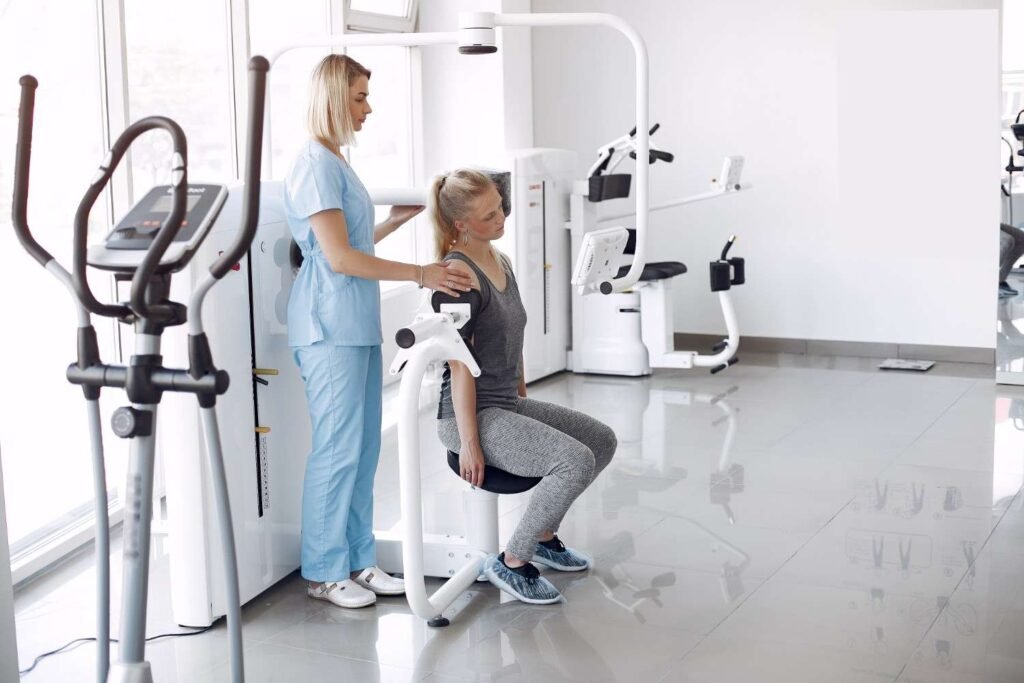
Limited movement, stiff joints, weak muscles, or recurring pain can make even simple daily activities difficult. Whether the problem is caused by an injury, surgery, arthritis, poor posture, or a sedentary lifestyle, physiotherapy can help restore physical function. A trusted Physiotherapy Clinic in Sector 51 Gurugram can assess your condition and create a treatment plan based on your specific needs.
Physiotherapy is not only about reducing pain. It focuses on improving how your body moves and functions. Through therapeutic exercises, manual techniques, mobility training, and rehabilitation, physiotherapy can help improve flexibility, build muscle strength, and restore confidence in movement.
For more information, direct chat with us on WhatsApp.
At GS Care Multispeciality Clinic, physiotherapy and rehabilitation services are designed around personalized recovery goals. The clinic provides physiotherapy support for chronic pain, sports injuries, post-surgical recovery, neurological conditions, and preventive wellness.
What Is Physiotherapy and How Does It Work?
Physiotherapy is a healthcare approach that helps people improve movement, physical function, and independence. A physiotherapist first evaluates your pain, movement patterns, muscle strength, flexibility, posture, and functional limitations.
After the assessment, the therapist may recommend a combination of exercises and hands-on techniques. The exact treatment depends on your condition.
For example, someone recovering from knee surgery may need strengthening and walking exercises. On the other hand, a person with back pain may need posture correction, mobility exercises, core strengthening, and activity modification.
Therefore, physiotherapy is not a one-size-fits-all treatment. The programme should match your condition, fitness level, recovery stage, and everyday activities.
How Physiotherapy Improves Mobility
Mobility refers to your ability to move a joint or body part comfortably and efficiently. Pain, swelling, stiffness, injury, or prolonged inactivity can reduce mobility.
Physiotherapy can gradually restore movement through controlled exercises and functional training. Your physiotherapist may use joint mobility exercises, stretching, strengthening movements, and movement retraining.
Improved mobility can make everyday activities easier. You may find it more comfortable to walk, climb stairs, get up from a chair, bend, or perform household and workplace activities.
At a Physiotherapy Clinic in Sector 51 Gurugram, an individualized rehabilitation programme can help address the specific movement limitations affecting your daily life.
Physiotherapy for Better Flexibility
Flexibility allows muscles and joints to move through an appropriate range of motion. Reduced flexibility can contribute to stiffness and make certain movements uncomfortable.
Physiotherapy may include gentle stretching and range-of-motion exercises to gradually improve flexibility. These exercises should be performed correctly because aggressive or inappropriate stretching can sometimes increase discomfort.
Regular movement is also important. Long periods of sitting can contribute to stiffness, particularly around the back, hips, neck, and shoulders. A physiotherapist can teach you practical exercises that can be incorporated into your daily routine.
With consistent practice, better flexibility can support smoother movement and make physical activities more comfortable.
How Physiotherapy Builds Muscle Strength
Muscle weakness can occur after an injury, surgery, illness, prolonged rest, or inactivity. Weak muscles can also affect balance and put additional stress on certain joints.
Strengthening exercises are therefore an important part of many physiotherapy programmes.
Depending on your condition, your physiotherapist may use bodyweight exercises, resistance bands, weights, or controlled functional movements. The intensity can be increased gradually as your strength improves.
For example, after a lower-limb injury, strengthening the muscles around the hip, knee, and ankle may help support better movement. Similarly, core strengthening can support posture and functional movement.
The goal is not simply to make muscles stronger. It is to help them work effectively during real-life activities.
Physiotherapy Can Support Recovery After Surgery
Surgery may be necessary to treat certain injuries or musculoskeletal conditions. However, recovery does not end when the procedure is completed.
Rehabilitation can play an important role in helping patients regain movement and strength after surgery. Depending on the procedure, physiotherapy may focus on reducing stiffness, restoring range of motion, rebuilding strength, improving balance, and gradually returning to normal activities.
GS Care Multispeciality Clinic provides personalized physiotherapy and rehabilitation programmes for post-surgical recovery.
Your rehabilitation plan should always follow the advice of your treating doctor and physiotherapist. Recovery timelines can vary considerably between individuals.
Physiotherapy for Sports Injuries and Active Individuals
Sports and exercise are beneficial for overall health. However, sudden increases in activity, poor movement mechanics, muscle weakness, or inadequate recovery can increase the risk of injury.
Physiotherapy can support recovery from common sports-related problems such as muscle strains, ligament injuries, joint problems, and movement-related pain.
A physiotherapist can also assess movement patterns and identify areas of weakness or reduced flexibility. This can help create a gradual return-to-activity programme.
For athletes and active individuals, the aim is often to restore function while helping them return to their preferred activities safely and progressively.
Can Physiotherapy Help With Chronic Pain?
Persistent pain can affect movement, sleep, work, exercise, and overall quality of life. People with long-term back, neck, shoulder, knee, or joint problems may gradually reduce their activity because movement feels uncomfortable.
However, avoiding movement for long periods can sometimes contribute to further weakness and stiffness.
Physiotherapy can help people understand their movement limitations and develop a safe exercise programme. Treatment may combine therapeutic exercise, mobility work, manual therapy, posture education, and advice about daily activities.
If pain continues or is associated with symptoms such as significant weakness, numbness, or other concerning changes, a medical evaluation is important.
Improving Balance and Functional Independence
Mobility and strength are closely connected to balance. Reduced muscle strength or poor coordination can make walking and other activities more challenging.
Physiotherapy may include balance exercises, coordination training, walking practice, and functional movements. These exercises are particularly useful when someone has experienced an injury, surgery, prolonged inactivity, or certain neurological conditions.
The broader goal is functional independence. That means helping you perform meaningful activities with greater confidence and control.
Why Choose a Physiotherapy Clinic in Sector 51 Gurugram?
Choosing the right physiotherapy provider is important because treatment should be based on your individual condition rather than a generic exercise routine.
GS Care Multispeciality Clinic is located in Sector 51 Gurugram and brings orthopaedic and physiotherapy services together under one roof. Its physiotherapy department includes rehabilitation support for post-surgical recovery, chronic pain, sports injuries, neurological care, and preventive wellness.
The clinic lists physiotherapy professionals including Dr. Kajal Sharma, BPT, COMT, Certified IASTM, and Dr. Nilesh Chakraborty PT, BPT, COMT, with certifications in cupping, dry needling, and sports rehabilitation.
For people looking for a Physiotherapy Clinic in Sector 51 Gurugram, having access to personalized assessment and rehabilitation can make the recovery process more structured and convenient.
What to Expect During a Physiotherapy Session
Your first appointment may begin with a detailed assessment. The physiotherapist may ask about your symptoms, medical history, injury, daily activities, and treatment goals.
Next, they may assess your range of motion, muscle strength, posture, balance, and functional movements.
Based on these findings, a treatment programme can be developed. It may include therapeutic exercises, stretching, strengthening, mobility training, manual therapy, or other appropriate techniques.
You may also receive exercises to perform at home. Following the recommended programme consistently can be an important part of achieving progress.
Consistency Matters in Physiotherapy
Physiotherapy works best when treatment is combined with active participation. Attending sessions is important, but your progress can also depend on what you do between appointments.
Follow your physiotherapist’s exercise instructions carefully. Avoid increasing exercise intensity too quickly. At the same time, do not stop prescribed exercises without discussing your concerns with your therapist.
Small improvements in movement, strength, and flexibility can add up over time. A consistent approach can help you progress towards your functional goals.
Conclusion
Physiotherapy can play an important role in improving mobility, flexibility, muscle strength, balance, and everyday physical function. It can be useful during recovery from injuries and surgery, as well as for chronic pain, sports rehabilitation, and movement-related problems.
The right treatment depends on your individual condition. A professional assessment can help identify the underlying limitations and determine which exercises and techniques are appropriate.
If you are searching for a Physiotherapy Clinic in Sector 51 Gurugram, GS Care Multispeciality Clinic offers personalized physiotherapy and rehabilitation services designed to support recovery and better physical function.
Taking the right steps early can help you move more confidently, regain strength, and work towards a more active and independent lifestyle.
Visit: https://gscare.in/.