
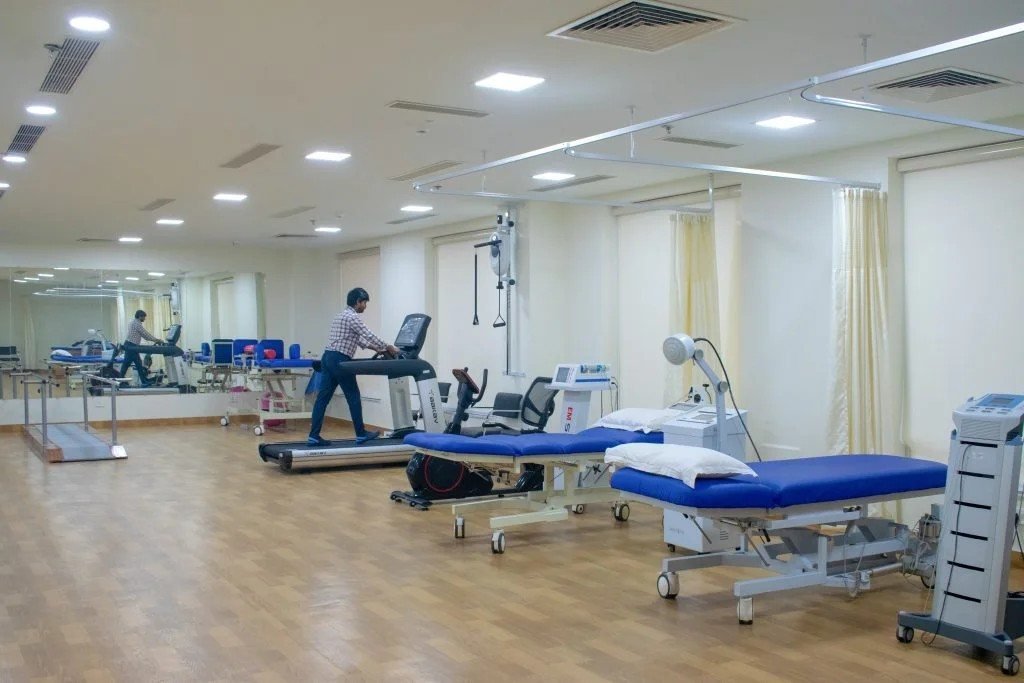
Pain, stiffness, muscle weakness, and difficulty moving can affect your daily life. Simple activities, such as walking, climbing stairs, sitting at work, or exercising, may become uncomfortable. Visiting a Physiotherapy Clinic in Gurugram can help you manage these problems through personalised exercises, movement training, and rehabilitation techniques.
Physiotherapy focuses on improving mobility, reducing pain, and restoring physical function. It can benefit people recovering from injuries, managing long-term joint problems, or rebuilding strength after surgery. At GS Care Multispeciality Clinic, understanding the available physiotherapy services can help you make informed decisions about your healthcare needs.
For more information, direct chat with us on WhatsApp.
What Is Physiotherapy and How Does It Help?
Physiotherapy is a healthcare service that focuses on movement, strength, flexibility, balance, and physical function. A physiotherapist assesses your symptoms, movement patterns, medical history, and daily activities before recommending a suitable treatment plan.
Treatment may include therapeutic exercises, manual therapy, stretching, posture correction, and other techniques based on your condition.
The primary goals of physiotherapy are to:
- Reduce pain and muscle stiffness.
- Improve joint movement and flexibility.
- Restore muscle strength and balance.
- Support recovery after injuries and surgery.
- Improve mobility and independence.
- Help prevent recurring movement-related problems.
The treatment plan depends on your symptoms, health history, and recovery goals.
1. Back Pain and Neck Pain Treatment
Back and neck pain are common concerns among people who spend long hours sitting at desks, driving, or using digital devices. Poor posture, muscle strain, and certain spinal conditions can contribute to discomfort.
A physiotherapy programme may include gentle stretching, strengthening exercises, movement training, and posture correction.
At a Physiotherapy Clinic in Gurugram, patients can seek an assessment for problems such as lower back pain, neck stiffness, muscle tightness, and movement-related discomfort.
Physiotherapy may also help people manage certain chronic conditions. However, the treatment approach should depend on the underlying cause of the pain.
2. Joint Pain and Arthritis Management
Joint pain can make everyday activities difficult. Knee pain may affect walking, while shoulder stiffness can interfere with dressing or reaching overhead.
Physiotherapy can support people experiencing problems related to:
- Knee pain and reduced mobility.
- Shoulder stiffness and restricted movement.
- Hip pain and muscle weakness.
- Arthritis-related discomfort.
- Ankle stiffness and movement difficulties.
Treatment may involve controlled exercises, mobility training, and strengthening of the muscles supporting the affected joint.
Regular, appropriate exercise can help maintain joint function. However, exercises should be selected according to the person’s condition and physical abilities.
3. Sports Injury Rehabilitation
Sports injuries can occur during running, gym workouts, cycling, football, and other physical activities. Sprains, muscle strains, and overuse injuries may affect performance and restrict movement.
Sports injury rehabilitation aims to restore strength, flexibility, coordination, and confidence during physical activity.
A physiotherapy programme may include:
- Assessment of the injured area.
- Gentle mobility exercises.
- Progressive muscle strengthening.
- Balance and coordination training.
- Sport-specific movement exercises.
- Guidance on returning to physical activity safely.
A physiotherapist can help determine when to progress through rehabilitation stages. Returning to sports too early may increase the risk of further injury.
4. Post-Surgery Physiotherapy and Rehabilitation
Recovery after surgery often requires careful movement and gradual rebuilding of strength. Physiotherapy may be recommended following selected orthopaedic procedures, including knee replacement, hip replacement, and certain spinal surgeries.
Post-surgical rehabilitation may focus on improving joint mobility, reducing stiffness, rebuilding muscle strength, and practising everyday movements.
Depending on the procedure and medical advice, treatment may include walking practice, range-of-motion exercises, balance training, and functional exercises.
The rehabilitation programme should follow the surgeon’s instructions and account for any movement restrictions. Recovery time varies from person to person.
5. Stroke and Neurological Rehabilitation
Neurological conditions can affect muscle control, coordination, balance, and the ability to walk. Some people experience these difficulties following a stroke or other conditions affecting the nervous system.
Neurological physiotherapy aims to improve movement and help patients perform daily activities more independently.
Treatment may include supported standing, balance exercises, walking practice, coordination training, and repetitive functional movements.
The programme depends on the person’s abilities, medical condition, and rehabilitation goals. In suitable cases, physiotherapists may work with other healthcare professionals to support comprehensive recovery.
6. Muscle Strengthening and Mobility Exercises
Weak muscles and restricted movement can develop because of inactivity, injury, illness, or ageing. These problems may affect balance, endurance, and confidence while performing everyday activities.
A Physiotherapy Clinic in Gurugram may provide guided exercise programmes designed to improve physical function.
Common approaches include:
- Stretching exercises: Help improve flexibility and manage muscle tightness.
- Strengthening exercises: Build muscle strength and support joint stability.
- Range-of-motion exercises: Help maintain or improve joint movement.
- Balance training: Supports stability and helps address certain mobility difficulties.
- Functional exercises: Practise movements such as standing, sitting, and walking.
Exercises should be introduced gradually and adjusted according to the patient’s tolerance and progress.
7. Posture Correction and Ergonomic Advice
Long working hours, improper workstation arrangements, and repetitive movements can contribute to discomfort in the neck, shoulders, and back.
Posture correction and ergonomic guidance can help people develop healthier movement habits at work and home.
A physiotherapist may assess sitting posture, desk setup, movement patterns, and flexibility. Based on the findings, they may recommend workstation adjustments, regular movement breaks, and suitable strengthening exercises.
Good posture is not about holding one rigid position throughout the day. Changing positions regularly and maintaining adequate physical activity are also important.
8. Pain Management and Manual Therapy
Some physiotherapy programmes include manual therapy to support joint movement and reduce certain types of muscular discomfort.
Depending on the condition, a trained physiotherapist may use hands-on techniques alongside stretching and therapeutic exercises.
Other pain-management approaches may include heat or cold applications and selected electrotherapy techniques when clinically appropriate.
These methods are not suitable for every patient. A physiotherapist should assess your symptoms and explain which treatments may be useful. Passive treatments generally work best as part of a broader plan that includes appropriate movement and self-management.
9. Balance Training and Elderly Rehabilitation
Age-related changes, reduced muscle strength, and certain medical conditions can affect balance and mobility. These difficulties may increase the risk of falls and make independent movement more challenging.
Physiotherapy can help older adults work on leg strength, balance, coordination, walking ability, and functional movements.
Exercises may include supported standing, sit-to-stand practice, controlled stepping, and walking training.
The programme should match the individual’s health status and abilities. People with a history of falls or significant balance problems should receive an appropriate assessment before starting new exercises.
How to Choose the Right Physiotherapy Clinic in Gurugram
Choosing a suitable clinic is an important step towards effective rehabilitation. Consider the following factors before making an appointment:
- Qualified professionals: Check the physiotherapist’s qualifications and relevant experience.
- Individual assessment: Treatment should be based on your symptoms and physical condition.
- Clear treatment goals: Your physiotherapist should explain the purpose of the recommended exercises.
- Progress monitoring: The programme should be reviewed as your movement and strength change.
- Home exercise guidance: Ask for instructions on exercises you can safely perform between sessions.
- Communication: Choose a clinic where you can discuss your concerns and understand your treatment plan.
At GS Care Multispeciality Clinic, patients can enquire about available physiotherapy services and the most appropriate next step for their needs.
Conclusion
Physiotherapy can play an important role in managing pain, improving movement, and supporting recovery after injuries, surgery, and certain medical conditions. Services may include back pain treatment, joint rehabilitation, sports injury care, neurological rehabilitation, posture correction, and balance training.
Choosing a Physiotherapy Clinic in Gurugram that provides appropriate assessments and personalised treatment can help you work towards realistic recovery goals. Consistency with prescribed exercises, regular progress reviews, and following professional advice are important parts of the process.
If pain, stiffness, or limited movement is affecting your daily activities, consider consulting a qualified healthcare professional to understand whether physiotherapy is suitable for you.
FAQs
1. What services are available at a physiotherapy clinic in Gurugram?
Services may include back and neck pain management, joint rehabilitation, sports injury treatment, post-surgery rehabilitation, neurological physiotherapy, posture correction, and mobility exercises. Availability varies by clinic.
2. Can physiotherapy help with chronic back pain?
Physiotherapy may help manage certain types of chronic back pain through tailored exercises, movement training, and education. The appropriate treatment depends on the cause of the pain and the patient’s overall health.
3. How many physiotherapy sessions are usually required?
The number of sessions depends on the condition, symptom severity, treatment goals, and progress. Your physiotherapist can recommend a suitable schedule after assessing your needs.
4. Is physiotherapy useful after surgery?
Yes. Physiotherapy is often part of recovery after selected surgeries. It may help improve mobility, rebuild strength, and support a gradual return to daily activities. The programme should follow the surgeon’s instructions.
5. How can I prepare for my first physiotherapy appointment?
Bring relevant medical reports, previous scan results if available, a list of current medicines, and details about your symptoms. Wear comfortable clothing that allows easy movement. Be prepared to discuss when the problem started and which activities make it better or worse.