
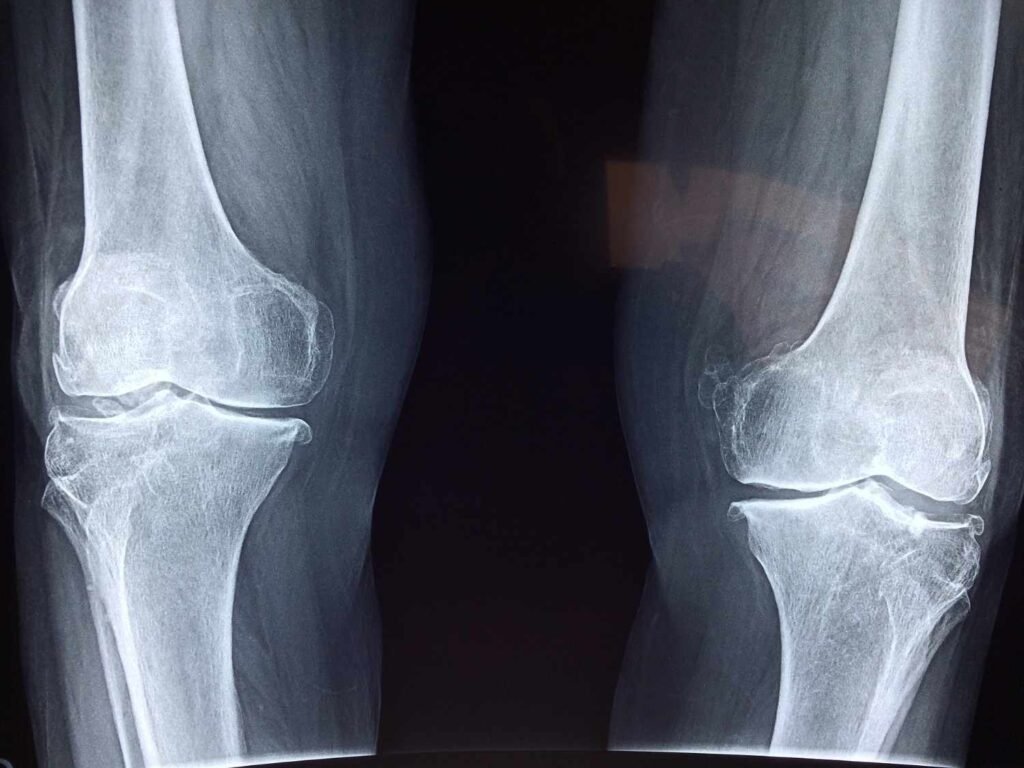
An anterior cruciate ligament (ACL) injury can cause knee pain, swelling, and difficulty walking. It commonly occurs during sports, but it can also happen during everyday activities involving sudden movements. Seeking ACL Injury Treatment in Sector 51 Gurugram can help you understand the severity of the injury and explore suitable treatment options. Early assessment is important because the right treatment can support recovery and help prevent further knee damage.
For more information, direct chat with us on WhatsApp.
The ACL is a strong ligament inside the knee. It helps stabilise the joint during movements such as running, jumping, and changing direction. When this ligament stretches or tears, the knee may feel unstable. Understanding the causes and warning signs can help you take the right steps towards recovery.
What Is an ACL Injury?
The anterior cruciate ligament connects the thigh bone (femur) to the shin bone (tibia). It helps control forward movement and rotation of the knee.
An ACL injury occurs when the ligament stretches beyond its normal limits or tears. The injury may be partial or complete. Its severity depends on the force involved and the extent of ligament damage.
Common symptoms include:
- A popping sound or sensation at the time of injury
- Sudden knee pain
- Swelling within the first few hours
- Difficulty bending or straightening the knee
- A feeling that the knee may give way
- Difficulty bearing weight or walking normally
These symptoms can also occur with other knee injuries. Therefore, a medical assessment is necessary to identify the actual cause.
What Causes ACL Injuries During Sports?
Sports involving rapid movements place considerable demands on the knee joint. Certain movements can put excessive stress on the ACL, especially when the body changes direction suddenly.
1. Sudden Changes in Direction
Sports such as football, basketball, badminton, and tennis often require quick turns. If the foot remains planted while the body rotates, the knee may twist under pressure.
This movement can stretch or tear the ACL. The risk may increase when an athlete changes direction without adequate control or balance.
2. Landing Incorrectly After a Jump
Jumping and landing are common movements in basketball, volleyball, and other sports. Landing with the knee nearly straight or allowing it to move inward can increase stress on the ligament.
Proper landing techniques help distribute forces more effectively. Strengthening the thigh and hip muscles can also improve movement control.
3. Sudden Stops While Running
Abruptly stopping during a sprint can place significant pressure on the knee. The risk may increase if the athlete loses balance or changes direction at the same time.
Sports training should include controlled deceleration, balance exercises, and strength development. These activities can help improve knee stability and movement technique.
4. Direct Impact or Contact
A collision with another player or a forceful blow to the knee can cause ligament damage. Contact injuries may also involve other structures, such as the meniscus or additional knee ligaments.
Severe pain, rapid swelling, or difficulty standing after a collision should not be ignored. Prompt medical evaluation can help determine the extent of the injury.
Can ACL Injuries Happen During Daily Activities?
Yes. ACL injuries are not limited to professional athletes or people who play sports regularly.
Everyday movements can sometimes cause an injury, particularly when they involve sudden twisting or loss of balance.
Examples include:
- Slipping on a wet floor and twisting the knee
- Missing a step while climbing stairs
- Turning suddenly while carrying a heavy object
- Landing awkwardly after jumping down from a height
- Losing balance during a quick change of direction
A sudden injury may occur even during a routine activity. If the knee becomes swollen or unstable, avoid forcing movement and seek medical advice.
Who Is at Greater Risk of an ACL Injury?
Several factors may increase the likelihood of an ACL injury. However, an injury can happen to anyone.
Important risk factors include:
- Participation in sports involving jumping and pivoting
- Previous ACL or knee injuries
- Poor landing or movement techniques
- Muscle weakness or imbalances
- Inadequate conditioning before intense physical activity
- Limited balance or neuromuscular control
A previous ACL injury deserves particular attention because returning to intense activity too early may increase the risk of another injury.
How Is an ACL Injury Diagnosed?
Accurate diagnosis is an important first step in planning treatment. A doctor will usually ask how the injury occurred and review the symptoms.
The assessment may include:
Physical examination: The doctor checks swelling, tenderness, range of motion, and knee stability. Special tests may help identify possible ligament damage.
X-rays: These can help identify fractures or other bone injuries. However, an X-ray does not directly show an ACL tear.
MRI scan: When needed, an MRI can help assess the ACL and other soft tissues, including the meniscus and cartilage.
Not every patient needs the same tests. The doctor recommends investigations according to the symptoms and examination findings.
What Are the Treatment Options for an ACL Injury?
Treatment depends on the severity of the tear, knee stability, activity level, and any associated injuries.
1. Initial Care and Swelling Management
After an injury, stop the activity and protect the knee from further strain. Applying a wrapped cold pack for short periods may help reduce pain and swelling.
Avoid placing ice directly on the skin. Do not force the knee to bend or straighten if doing so causes significant pain.
Seek prompt medical assessment, particularly if you cannot bear weight or the knee is severely swollen.
2. Physiotherapy and Rehabilitation
Some ACL injuries can be managed without surgery, depending on the tear and the patient’s needs. Physiotherapy may help improve strength, flexibility, balance, and movement control.
A rehabilitation programme often progresses through several stages. It may begin with gentle movement and muscle activation before progressing to strengthening and functional exercises.
Returning to sports requires careful assessment of strength, stability, and movement. Pain relief alone does not mean the knee is ready for intense activity.
3. ACL Reconstruction Surgery
ACL reconstruction may be recommended for a complete tear when the knee remains unstable, especially in people who want to return to sports involving pivoting. Surgery may also be considered when other knee structures are injured.
During reconstruction, the surgeon usually replaces the damaged ligament with a tissue graft. Recovery involves a structured rehabilitation programme and can take several months.
Surgery is not necessary for every ACL tear. A qualified orthopaedic specialist can explain the benefits, risks, and alternatives based on the individual injury.
Where to Seek ACL Injury Treatment in Sector 51 Gurugram?
Choosing appropriate medical care can help you understand your injury and make informed decisions about recovery. ACL Injury Treatment in Sector 51 Gurugram may involve clinical assessment, diagnostic investigations, orthopaedic consultation, and rehabilitation, depending on the services available and your individual needs.
At GS Care Multispeciality Clinic, patients can enquire about an appropriate evaluation for knee pain and sports-related injuries. The next step may involve referral for specialist assessment or imaging when required.
If you suspect an ACL injury, avoid returning to sports until a healthcare professional has assessed your knee.
How Can You Reduce the Risk of ACL Injuries?
Although not every ACL injury can be prevented, certain habits may help reduce risk.
- Warm up before sports and strenuous exercise.
- Strengthen the thigh, hip, and core muscles.
- Practise safe jumping and landing techniques.
- Improve balance and coordination through suitable exercises.
- Increase exercise intensity gradually.
- Wear appropriate footwear for your sport and playing surface.
- Allow sufficient recovery between demanding training sessions.
Consistent conditioning and proper movement techniques can improve knee control during sports and daily activities.
Conclusion
ACL injuries can occur during sudden turns, awkward landings, rapid stops, and unexpected slips. Recognising the symptoms early can help you seek appropriate care and reduce the risk of further damage.
ACL Injury Treatment in Sector 51 Gurugram starts with an accurate assessment of the knee and a treatment plan suited to the severity of the injury. Depending on the patient’s condition, care may include rehabilitation, activity modification, or surgery.
GS Care Multispeciality Clinic encourages individuals with knee pain or instability to seek professional guidance. With appropriate treatment and a gradual return to activity, many people can work towards improved knee function and a safer recovery.
Frequently Asked Questions
1. Can an ACL injury heal without surgery?
Some ACL injuries can be managed without surgery, particularly when the knee is stable and the patient’s activity demands are lower. Physiotherapy can help improve strength and stability. However, some injuries require surgical reconstruction.
2. How do I know if I have torn my ACL?
Common signs include a popping sensation, rapid swelling, knee pain, and instability. However, these symptoms can also occur with other injuries. A clinical examination and, when necessary, an MRI can help confirm the diagnosis.
3. How long does recovery from an ACL injury take?
Recovery depends on the severity of the injury and the treatment approach. Rehabilitation without surgery may take several weeks or months. Recovery after ACL reconstruction often takes many months, and returning to pivoting sports commonly requires around 9–12 months or longer, depending on clinical progress.
4. Can I walk with a torn ACL?
Some people can walk with an ACL tear, while others experience pain or instability. Being able to walk does not rule out a serious injury. Avoid strenuous activity and seek medical assessment.
5. Which doctor should I consult for ACL Injury Treatment in Sector 51 Gurugram?
An orthopaedic specialist with experience in knee and sports injuries can assess a suspected ACL tear and discuss treatment options. A physiotherapist may also play an important role in rehabilitation, either as part of non-surgical treatment or after surgery.