
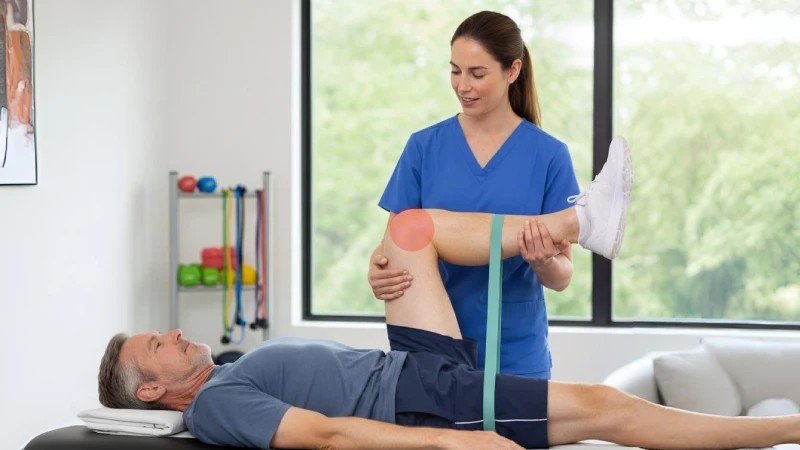
Knee pain can make everyday activities difficult. Walking, climbing stairs, standing for long periods, and getting up from a chair may become uncomfortable. Knee Pain Physiotherapy in Sector 51 Gurugram can help manage discomfort, improve joint movement, and strengthen the muscles that support the knee. At GS Care Multispeciality Clinic, physiotherapy focuses on understanding the cause of pain and developing a treatment plan suited to each patient’s needs.
Knee pain can affect people of different ages. It may develop because of an injury, arthritis, muscle weakness, or overuse. With the right assessment and treatment, many people can improve their mobility and return to their regular activities.
For more information, direct chat with us on WhatsApp.
What Causes Knee Pain and Joint Discomfort?
The knee is a complex joint that supports body weight and allows the legs to bend and straighten. Because it is involved in almost every movement, it can be affected by several conditions.
Common causes of knee pain include:
- Osteoarthritis: Wear and changes in the joint can cause stiffness, swelling, and pain.
- Sports injuries: Sudden movements may damage ligaments, tendons, or cartilage.
- Muscle weakness: Weak thigh and hip muscles can affect knee stability.
- Tendon problems: Repeated activities may irritate the tendons around the knee.
- Overuse: Excessive walking, running, or exercise can increase joint discomfort.
- Previous injuries: An old injury may continue to affect movement and strength.
Identifying the underlying cause is important before starting treatment. A physiotherapist can assess movement, strength, flexibility, and pain levels to determine which exercises and techniques may be appropriate.
How Can Knee Pain Physiotherapy in Sector 51 Gurugram Help?
Physiotherapy aims to improve how the knee moves and functions. Treatment may also help reduce stiffness, build strength, and support recovery after an injury or surgery.
1. Helps Reduce Knee Pain
Pain can limit movement and make daily activities challenging. Physiotherapy uses appropriate exercises and selected treatment techniques to help manage discomfort.
Depending on the condition, treatment may include gentle movements, muscle relaxation techniques, and gradual strengthening exercises. These approaches can improve movement tolerance and help patients become more active.
At GS Care Multispeciality Clinic, Knee Pain Physiotherapy in Sector 51 Gurugram can be tailored to the patient’s symptoms, physical abilities, and recovery goals.
2. Strengthens the Muscles Around the Knee
Strong muscles help support the knee joint during walking, standing, and other everyday activities. Weak quadriceps, hamstrings, and hip muscles may contribute to poor movement control.
A physiotherapist may recommend exercises such as straight-leg raises, seated knee extensions, and sit-to-stand movements. The exercises and their intensity depend on the patient’s condition.
Regular practice can improve muscle strength and joint stability. However, exercises should be performed correctly to avoid unnecessary strain.
3. Improves Flexibility and Joint Movement
Knee stiffness can make it difficult to bend or straighten the leg. It may occur after an injury, surgery, prolonged inactivity, or because of arthritis.
Physiotherapy may include gentle range-of-motion exercises and stretching. These activities help maintain flexibility and improve the ability to perform daily movements.
Patients should progress gradually. Forcing the knee through painful movements may worsen symptoms. A physiotherapist can guide the appropriate range and intensity.
4. Supports Recovery After Knee Injuries
Knee injuries can affect ligaments, tendons, muscles, and cartilage. Recovery depends on the type and severity of the injury.
A physiotherapy programme may begin with controlling swelling and maintaining safe movement. Later stages may focus on strength, balance, coordination, and functional exercises.
Knee Pain Physiotherapy in Sector 51 Gurugram can help patients follow a structured rehabilitation plan. However, serious injuries may require an orthopaedic assessment before physiotherapy begins.
5. Helps Manage Knee Osteoarthritis
Osteoarthritis can cause pain, stiffness, and reduced mobility. These symptoms may become more noticeable after activity or following periods of rest.
Although physiotherapy cannot reverse joint damage, suitable exercise can improve strength and physical function. Low-impact activities, such as walking or stationary cycling, may also be recommended when appropriate.
A physiotherapist can adjust the programme according to pain levels and mobility. Consistent exercise may help patients remain active and manage their symptoms over time.
6. Improves Balance and Walking Ability
Knee pain can change the way a person walks. Some people put more weight on one leg or avoid bending the painful knee. These changes may affect balance and increase difficulty with everyday activities.
Physiotherapy can include balance training, walking practice, and functional exercises. These activities help improve movement control and confidence.
For older adults, appropriate balance exercises may also support fall prevention. The programme should be adapted to the person’s strength, stability, and medical history.
What Treatments May Be Included in Knee Physiotherapy?
The treatment plan depends on the diagnosis, symptoms, and recovery goals. A physiotherapist may recommend a combination of approaches.
Common options include:
- Therapeutic exercises: Build strength, flexibility, and movement control.
- Range-of-motion exercises: Help improve knee bending and straightening.
- Manual therapy: Selected hands-on techniques may help improve movement and comfort.
- Gait training: Supports safer and more efficient walking.
- Balance training: Improves stability and coordination.
- Activity modification: Helps reduce unnecessary strain while maintaining suitable activity levels.
Not every patient needs every treatment. The physiotherapist selects suitable techniques after assessing the knee and reviewing relevant medical information.
Why Choose GS Care Multispeciality Clinic in Sector 51 Gurugram?
Choosing appropriate care is an important step towards managing knee pain. Patients should look for a clinic that considers their symptoms, physical abilities, and long-term goals.
At GS Care Multispeciality Clinic, the physiotherapy approach can focus on individual assessment, suitable exercise recommendations, and progress monitoring.
A personalised plan may help patients understand which activities are safe, how to perform exercises correctly, and when to increase their activity levels.
If you are experiencing persistent knee discomfort, consulting a qualified healthcare professional can help identify the cause and determine whether physiotherapy is suitable for you.
When Should You Consult a Physiotherapist for Knee Pain?
You should consider professional assessment if knee pain affects walking, climbing stairs, sleeping, or other daily activities. Persistent stiffness, recurring discomfort, and difficulty straightening or bending the knee also deserve attention.
Seek prompt medical assessment if the knee becomes severely swollen, hot, or red, or if you develop a fever. Sudden severe pain, a visible deformity, or an inability to bear weight after an injury requires urgent evaluation.
Do not begin strenuous exercises until serious injuries have been ruled out.
Conclusion
Knee pain can affect mobility, independence, and quality of life. However, appropriate treatment and regular exercise can help many people improve their movement and manage discomfort.
Knee Pain Physiotherapy in Sector 51 Gurugram can support recovery by strengthening the muscles around the knee, improving flexibility, developing balance, and helping patients return to daily activities. The most suitable treatment depends on the underlying cause of pain and the patient’s overall health.
GS Care Multispeciality Clinic encourages patients to seek professional guidance rather than ignore persistent knee symptoms. With a personalised rehabilitation plan and consistent follow-up, patients can work towards better mobility and improved physical function.
Frequently Asked Questions
1. Can physiotherapy help reduce knee joint pain?
Yes. Physiotherapy may help reduce discomfort, improve flexibility, and strengthen the muscles supporting the knee. Results depend on the cause and severity of the condition.
2. How long does knee pain physiotherapy take to show results?
Some patients notice improvement within a few sessions, while others need several weeks or longer. Recovery depends on the diagnosis, symptom severity, consistency with exercises, and overall health.
3. Is physiotherapy suitable for knee osteoarthritis?
Yes. Individualised physiotherapy is commonly used to help manage knee osteoarthritis. Strengthening exercises and appropriate physical activity may improve mobility and daily function, although they cannot reverse existing joint damage.
4. Which exercises can help relieve knee pain?
Depending on the diagnosis, exercises may include straight-leg raises, gentle knee extensions, quadriceps strengthening, and suitable stretching. A physiotherapist should recommend exercises based on your symptoms and physical abilities.
5. When should I visit a physiotherapy clinic for knee pain?
Consider an appointment if knee pain persists, keeps returning, or interferes with walking and everyday activities. Seek urgent medical assessment for severe pain, major swelling, deformity, or an inability to bear weight after an injury.