Shoulder pain can significantly affect daily life, making simple activities such as lifting objects, driving, or even sleeping uncomfortable. A common cause of persistent shoulder pain is a rotator cuff tear. While many people assume surgery is the only solution, several non-surgical treatments can effectively reduce pain and improve shoulder function. If you are looking for Rotator Cuff Tear Treatment in Gurugram, understanding these conservative treatment options can help you make informed decisions about your recovery.
For more information, direct chat with us on WhatsApp.
At GS Care Multispeciality Clinic, patients often achieve excellent results through personalized non-surgical treatment plans designed to restore mobility, strengthen muscles, and reduce discomfort.
Understanding a Rotator Cuff Tear
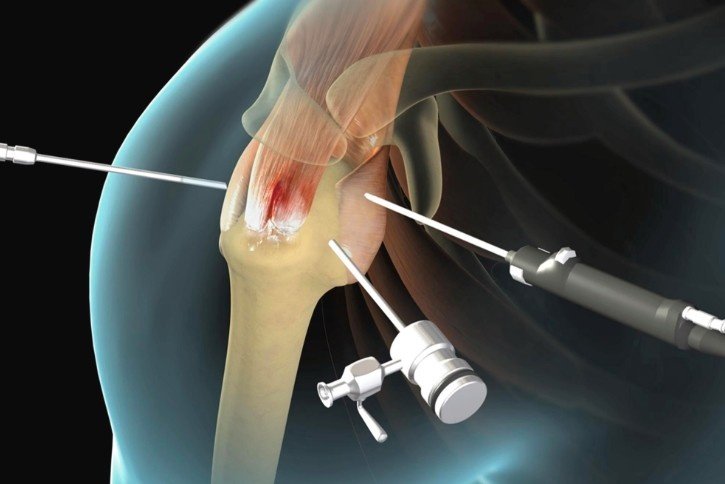
The rotator cuff is a group of four muscles and tendons that stabilize the shoulder joint and allow smooth arm movement. A tear can occur due to sudden injury, repetitive overhead activities, aging, or gradual wear and tear.
Common symptoms include:
- Persistent shoulder pain
- Weakness in the arm
- Difficulty lifting objects
- Pain during sleep, especially when lying on the affected side
- Reduced range of motion
The severity of symptoms varies from person to person, making early diagnosis essential for successful treatment.
Can a Rotator Cuff Tear Heal Without Surgery?
In many cases, yes. Not every rotator cuff tear requires surgery. Small to moderate tears, partial tears, and degenerative tears often respond well to conservative management. The primary goals of non-surgical treatment are to:
- Reduce pain and inflammation
- Improve shoulder strength
- Restore flexibility and movement
- Prevent further injury
- Enhance overall quality of life
This is why many patients seeking Rotator Cuff Tear Treatment in Gurugram begin with non-surgical approaches before considering surgical intervention.
Physical Therapy: The Foundation of Non-Surgical Treatment
Physical therapy is widely regarded as one of the most effective treatments for rotator cuff injuries. A structured rehabilitation program focuses on strengthening the muscles surrounding the shoulder joint while improving flexibility and stability.
Benefits of physical therapy include:
- Improved shoulder function
- Reduced pain levels
- Enhanced range of motion
- Better muscle coordination
- Prevention of future injuries
Therapists create customized exercise plans based on the severity of the tear and the patient’s activity level. Consistent participation often leads to significant improvement over time.
Activity Modification and Rest
Continuing activities that aggravate the injury can delay healing and worsen symptoms. One of the simplest yet most effective strategies is modifying daily activities.
Patients are typically advised to:
- Avoid repetitive overhead movements
- Limit heavy lifting
- Reduce participation in high-impact sports temporarily
- Maintain proper posture during work and daily activities
Appropriate rest allows inflamed tissues to recover while preventing additional strain on the shoulder.
Pain Management Through Medications
Pain and inflammation can make shoulder movement difficult. Non-steroidal anti-inflammatory drugs (NSAIDs) may help manage discomfort during the recovery process.
These medications can:
- Reduce inflammation
- Improve comfort during physical therapy
- Enhance daily function
- Support rehabilitation efforts
However, medications should always be taken under medical supervision to avoid potential side effects and ensure safe usage.
Importance of Early Diagnosis
Many individuals ignore shoulder pain until it begins affecting daily activities. Delayed treatment can lead to worsening symptoms and reduced shoulder function.
Early diagnosis offers several advantages:
- Faster symptom management
- Better treatment outcomes
- Reduced risk of tear progression
- Improved long-term shoulder health
- Greater likelihood of avoiding surgery
A comprehensive evaluation typically includes a physical examination, medical history review, and imaging studies when necessary.
Lifestyle Changes That Support Recovery
Successful non-surgical treatment often extends beyond the clinic. Certain lifestyle adjustments can accelerate healing and improve overall shoulder health.
Helpful measures include:
Maintain Good Posture
Poor posture places unnecessary stress on shoulder structures. Sitting and standing correctly can reduce strain on the rotator cuff.
Follow Home Exercise Programs
Regularly performing prescribed exercises helps maintain progress between therapy sessions.
Manage Weight
Excess body weight can contribute to inflammation and impact overall musculoskeletal health.
Stay Physically Active
Low-impact activities help maintain fitness while avoiding excessive strain on the injured shoulder.
These strategies complement professional Rotator Cuff Tear Treatment in Gurugram and contribute to better long-term outcomes.
When Is Surgery Necessary?
Although many patients improve without surgery, some situations may require surgical intervention. Surgery may be considered when:
- Symptoms persist despite conservative treatment
- Large or complete tears are present
- Significant weakness affects daily activities
- Shoulder function continues to decline
An orthopedic specialist can determine the most appropriate treatment pathway after a thorough evaluation.
Choosing the Right Specialist for Rotator Cuff Care
The success of treatment depends largely on accurate diagnosis and a personalized rehabilitation plan. A multidisciplinary approach involving orthopedic specialists, physiotherapists, and rehabilitation experts often provides the best outcomes.
Patients seeking Rotator Cuff Tear Treatment in Gurugram should look for experienced healthcare professionals who emphasize evidence-based, patient-centered care and offer a range of treatment options tailored to individual needs.
Conclusion
A rotator cuff tear does not automatically mean surgery is required. Many patients achieve significant pain relief and improved shoulder function through non-surgical treatments such as physical therapy, activity modification, medications, corticosteroid injections, and advanced regenerative approaches. Early diagnosis and a structured treatment plan play a crucial role in successful recovery.
If you are experiencing persistent shoulder pain, seeking professional evaluation for Rotator Cuff Tear Treatment in Gurugram can help you access the most suitable treatment options and return to your daily activities with greater comfort and confidence. At GS Care Multispeciality Clinic, comprehensive care and personalized treatment strategies are designed to support every stage of your recovery journey.
Visit: https://gscare.in/.